When Age is Your Asset
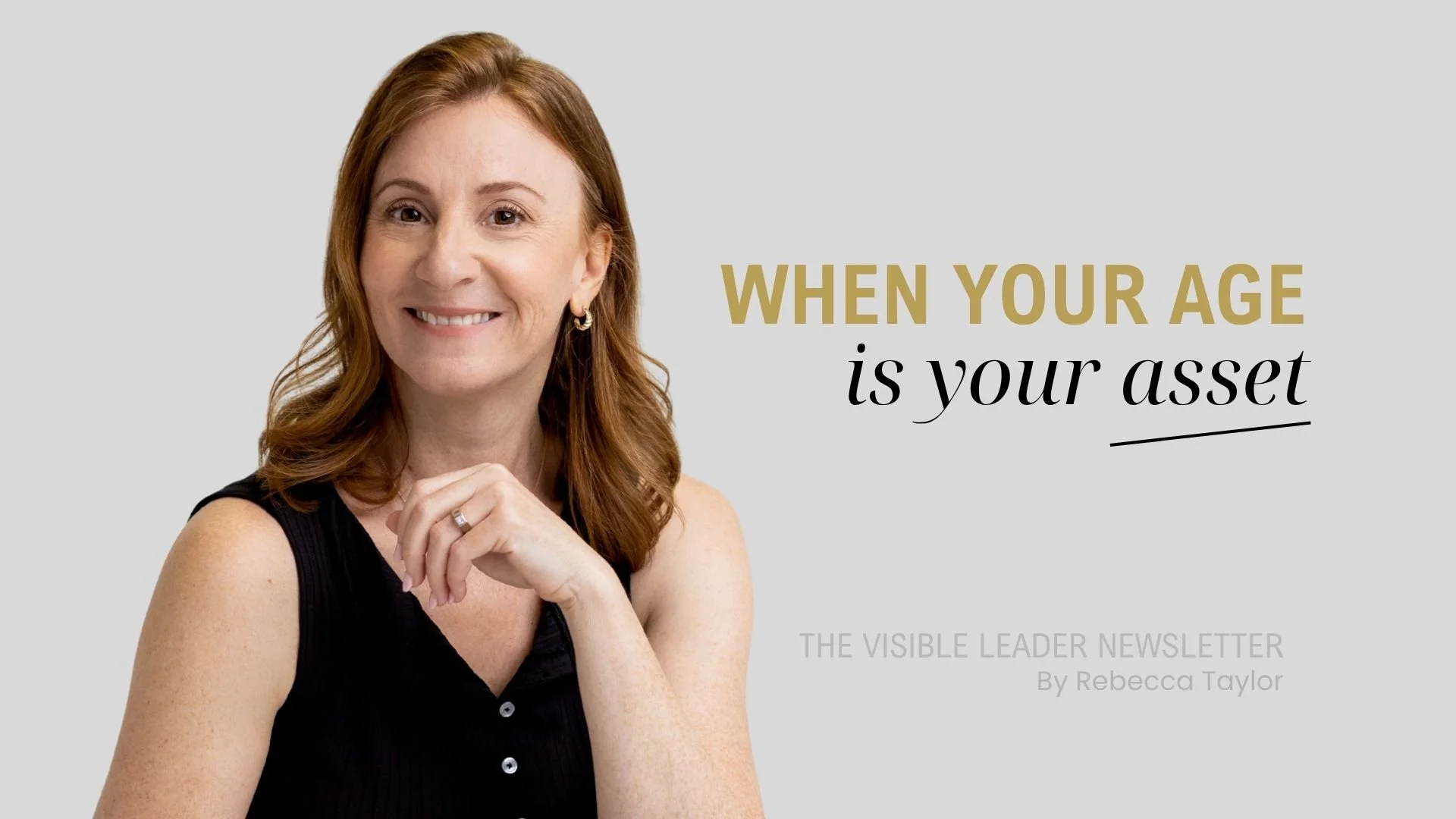
by Rebecca Taylor
Why do we question our relevance, just when our experience becomes most valuable?
With my recent 30 year high school reunion on my mind, it's got me thinking about age and how we see ourselves as we get older.
At 18, most of us wanted to be taken seriously. We wanted to prove ourselves, get somewhere in our careers and show people what we could do.
Fast forward 30 years and many of us have done exactly that. We've built careers, developed expertise and learnt a lot along the way. Yet some of us are still worrying about whether we're relevant, whether people will listen to us, or whether someone younger might be better suited to the job.
As a leadership brand strategist and photographer, I work with professionals to help them build a reputation that reflects their experience and the value they bring.
One thing I've noticed is how often age comes into the conversation, sometimes before we've even discussed the photos.
Some people worry they've aged and aren't as happy with how they look. Others feel they look too young to be taken seriously, despite having the experience and results to back themselves.
Both concerns can affect how people show up professionally, from the opportunities they put themselves forward for to how comfortable they feel being visible online.
It got me thinking. Why do we spend so much time worrying about our age when experience is one of the things we value most in other people?
The research might surprise you
We're used to hearing stories about young entrepreneurs changing the world. Think tech founders in their twenties and people building businesses straight out of university.
But research tells a different story.
A study by researchers from MIT, Northwestern University and the US Census Bureau looked at more than 2.7 million business founders. They found that the average age of founders behind the fastest-growing 1 in 1,000 new businesses was 45.
They also found that, among people who started businesses, a 50-year-old founder was 1.8 times as likely as a 30-year-old founder to build a business with exceptional growth. Previous experience in the same industry was a strong predictor of success.
In other words, the idea that younger people are naturally better at building successful businesses doesn't hold up very well against the evidence.
Of course, age alone doesn't guarantee success. But experience, industry knowledge and the lessons we've picked up along the way can give us a real advantage.
So why do so many of us start questioning our value as we get older?
Age bias works both ways
I often hear from women who worry that looking older will affect how people see them professionally. They might feel uncomfortable about their changing appearance or worry that their photos no longer reflect the person they want to be known as.
Then there are younger leaders who feel they have to work twice as hard to prove they know what they're doing.
Both groups can end up worrying about how they look or how old they seem, rather than focusing on the work they're capable of doing.
And there's evidence that these concerns go beyond how we feel about ourselves.
A report released by the Australian Human Rights Commission and Diversity Council Australia in June 2026 found that only 41% of older women surveyed had access to career development opportunities at work, while just 13% had access to mentors.
That's a pretty significant gap.
The report also found that younger workers face their own challenges, including high rates of workplace discrimination and harassment.
Age can affect how people are treated at different stages of their careers. Younger people may struggle to be taken seriously, while older workers can find it harder to access the support and opportunities that help them progress.
Read the Australian research on age and workplace experiences.
This matters because we can spend years developing our skills and building our experience, only to find that assumptions about our age influence how we're treated.
Experience is valuable, but you have to keep using it
I don't think getting older automatically makes someone a better leader. We've all met people who've been doing the same job for years without learning much from it.
The real value comes from what we do with our experience.
Think about someone who's been running a business for 20 years. They've probably dealt with difficult clients, made some poor decisions, learnt what works and had to adapt when things changed. That experience can help them spot problems earlier and make better decisions next time.
Or think about a leader who's managed different teams and worked through some tough situations. They may be better at recognising when a problem needs a calm conversation rather than another meeting or a new process.
You can't learn everything from a course or a book. Some things only make sense after you've been through them yourself.
That doesn't mean younger people have less to offer. Fresh ideas and new ways of thinking are important too. The best teams make room for people at different stages of their careers to learn from each other.
The point is that experience has value, and we shouldn't overlook it simply because someone has been around for longer.
What does this have to do with being visible?
This is something I see regularly in my work.
After more than 15 years partnering with professionals and business owners, I've noticed how often concerns about age and appearance come into the conversation when it's time to update their photos.
Will I look too old? Will I look too young? Will people take me seriously?
These are fair questions. Your photo is often one of the first things people see when they look you up on LinkedIn or visit your website, and it plays a part in the impression you create.
But I sometimes wonder how many people are holding themselves back because they're waiting to feel better about how they look, rather than thinking about what their professional image needs to communicate.
When I work with clients, we look beyond the photos themselves. We consider what they want to be known for, who they need to reach and whether their current image reflects where they are in their career now.
Because the goal isn't to look younger or older. It's to present yourself in a way that reflects your experience, your expertise and the work you're capable of doing.
And if your professional image no longer reflects where you are in your career, it might be time to do something about it.
If you've built a successful career, developed expertise or learnt something that could help others, people need to know about it. That means being prepared to share your ideas, put yourself forward and make it easier for the right people to find you.
And if your photos are five or ten years old because you're worried about how you've changed, perhaps it's time to look at them differently.
The aim isn't to look younger than you are. It's to have a personal brand and professional photos that reflect who you are today and the work you're doing now.
You don't need to look 35 when you're 55. You need to look like yourself, feel comfortable being seen and give people a clear sense of the professional they're dealing with.
So, what are we waiting for?
As I think about three decades passing since high school, I'm reminded that very few people follow the path they imagined when they were young. We learn, change direction, take on new responsibilities and see things differently as we go.
That experience has value, particularly when we're prepared to share it.
I don't think the answer is to pretend age doesn't matter. Age bias is real, and appearance can influence how people are treated. We shouldn't have to ignore those issues or simply become more confident to overcome them.
But we can question the assumptions we make about ourselves, too.
If you've spent years building expertise, developing your judgement and learning how to do your work well, give that experience the credit it deserves. Keep learning, keep contributing and make it easier for people to see what you have to offer.
We spend years building experience. Surely we shouldn't have to spend the next chapter apologising for it.
I'd love to hear your thoughts.
Have you ever felt too young or too old to be taken seriously at work? And has the way you see your own age changed as you've gained experience?
If this has sparked something for you, you’re welcome to take it further.
If this resonates, I work with women founders, consultants and leaders to create personal brands with a portrait photography focus, that reflect strength, presence and who they are now.
Let's explore ways to partner together. You're welcome to book a short complimentary brand strategy call: email info@rebeccataylor.com.au
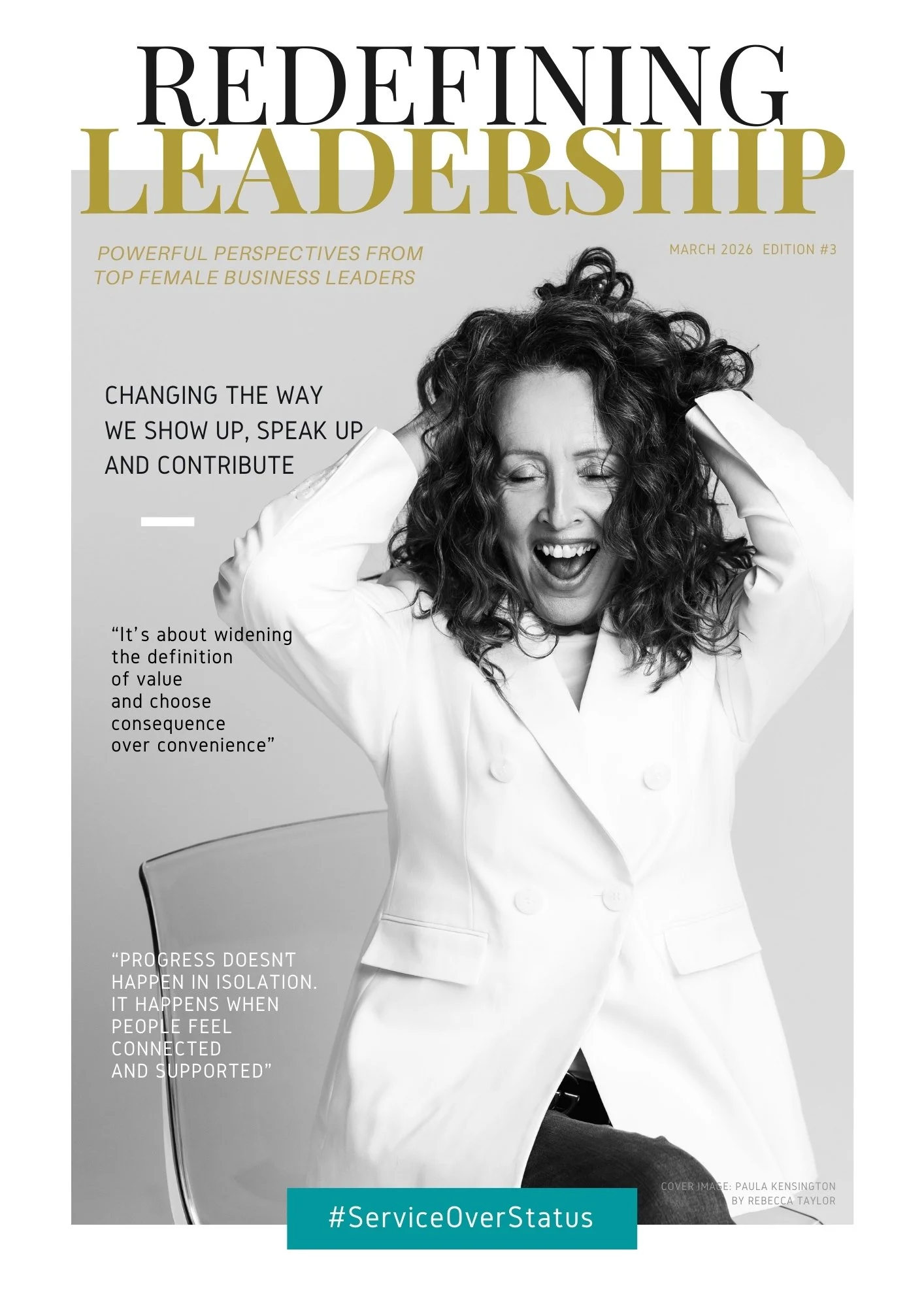
Meet the 10 Leaders who share their story and leadership perspective
Subscribe to my LinkedIn newsletter, Visible Leader, for ongoing reflections on leadership, identity and being seen.
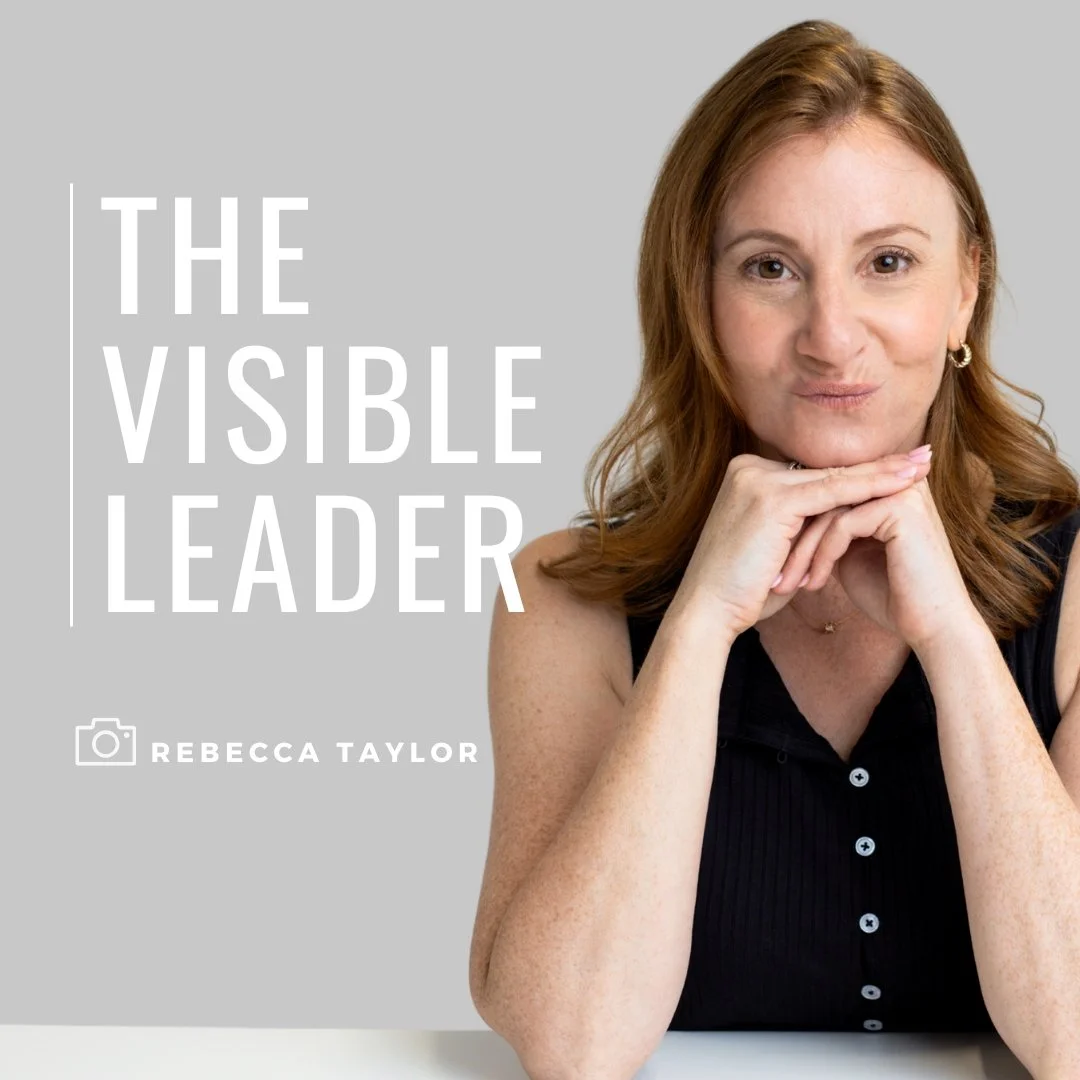
Rebecca Taylor - Personal Brand Strategist & Leadership Portrait Photographer
Meet Rebecca
Rebecca Taylor is a transformational personal branding photographer, brand strategist, and Creative Director of Rebecca Taylor Photography — a nationwide studio capturing Australia’s most visionary and influential leaders.
Known for her bold, editorial aesthetic, Rebecca works withCEOs, thought leaders, and executive teams to craft striking visual brands that command attention and elevate authority.
Her work has been published in Forbes Magazine, CEO Magazine, CIO Magazine, The Age, Sydney Morning Herald, The Financial Review, and The Guardian, featured on bestselling book covers, and across major platforms including Thrive Global, TEDx, and ABC Radio National.
Beyond the studio, Rebecca leads high-impact branding workshops, curates transformative networking events, and speaks at retreats and business forums — empowering leaders to be seen, heard, and remembered.
📩 Bookings: info@rebeccataylor.com.au
🔗 Services: www.rebeccataylor.com.au